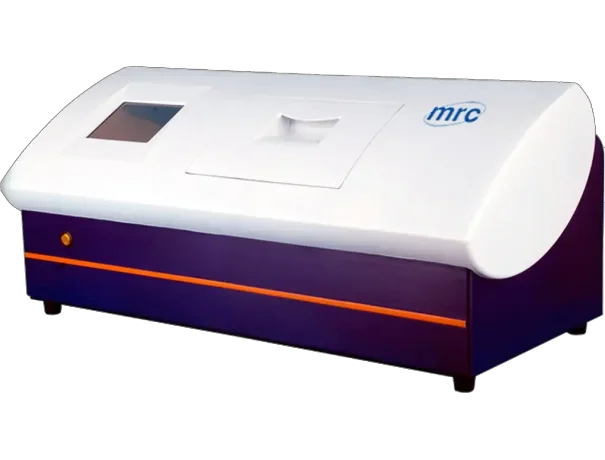
Polarimeters are indispensable tools in laboratories worldwide. They help scientists and technicians measure the optical rotation of substances, particularly those with chiral molecules. But knowing how to use a polarimeter effectively can make the difference between reliable results and misleading data.
What is a Polarimeter?
A polarimeter is a scientific instrument used to measure the angle of rotation when polarized light passes through an optically active substance. Substances like sugars, amino acids, and pharmaceuticals often rotate light either clockwise (dextrorotatory) or counterclockwise (levorotatory). The degree of rotation provides insights into concentration, purity, and molecular structure.
Why Polarimetry Matters in Modern Science
Polarimetry isn’t just an academic exercise. Its applications span industries:
- Pharmaceuticals – Determining enantiomeric purity in drug compounds.
- Food and beverages – Measuring sugar content in juices, honey, or wine.
- Chemicals – Testing purity and concentration of essential raw materials.
- Research – Studying chiral molecules for structural chemistry.
In short, polarimeters play a crucial role in ensuring safety, quality, and compliance.
Understanding the Working Principle
To properly operate the instrument, it is essential to understand the underlying polarimeter principle, including how polarized light interacts with optically active substances.
Polarized Light Basics
Light waves normally vibrate in multiple planes. When light passes through a polarizer, it becomes polarized, vibrating in a single plane.
Optical Activity in Substances
Optically active molecules rotate polarized light by a specific angle. This phenomenon—called optical rotation—depends on:
- The nature of the compound
- The wavelength of light used
- Path length (tube length)
- Concentration of the solution
- Temperature
Factors Affecting Measurement Accuracy
For reliable readings, one must control temperature, ensure clean equipment, and calibrate regularly. Even small contaminants can cause significant deviations.
Step-by-Step Guide: How to Use a Polarimeter
Step 1: Preparing the Instrument
Switch on the polarimeter and allow it to stabilize. Modern digital polarimeters may require warm-up time.
Step 2: Cleaning and Handling Sample Tubes
Always clean sample tubes with distilled water and dry them thoroughly. Fingerprints or residues can distort readings.
Step 3: Preparing the Sample Solution
Dissolve the substance in a suitable solvent. Filter out undissolved particles to avoid scattering light.
Step 4: Setting the Correct Wavelength
Choose the proper wavelength (commonly sodium D-line, 589 nm) depending on the sample and industry standards.
Step 5: Inserting the Sample Tube Properly
Fill the tube completely, avoiding air bubbles, and place it securely into the polarimeter chamber.
Step 6: Adjusting Temperature (if required)
Use temperature-controlled polarimeters or water jackets to maintain consistent readings.
Step 7: Calibrating with a Standard
Calibrate with known standards such as quartz plates or sucrose solutions. Calibration ensures accuracy across tests.
Step 8: Taking Multiple Readings
Record several measurements and average them. This reduces random error.
Step 9: Recording Observations Accurately
Note the optical rotation angle, temperature, and concentration of the solution.
Step 10: Applying Corrections (Concentration/Path Length)
Use the formula:
[α]λT = 100α / (l × c)
where:
- α = observed rotation
- l = path length in decimeters
- c = concentration in g/100 mL
- T = temperature
- λ = wavelength
Step 11: Interpreting Results
Compare your results with reference values. This helps determine purity, concentration, or structural properties.
Step 12: Maintaining the Polarimeter
Regular maintenance includes cleaning optical components, checking alignment, and scheduling professional calibration.
Applications of Polarimetry
Pharmaceutical Industry
Polarimeters ensure chiral drugs meet strict regulatory standards. Even tiny deviations can impact drug safety.
Food and Beverage Testing
Measuring sugar content in juices, syrups, and honey is one of the most common uses.
Chemical and Petrochemical Analysis
Polarimeters help determine concentration and purity of solvents and raw materials.
Academic and Industrial Research
Researchers use polarimetry to study stereochemistry, enantiomeric excess, and biomolecular interactions.